Beyond the Frame: AI Weekly Digest #6
Feb 16, 2026
It’s been a while since we shared our newsletter, but now we’re back – and we picked the wildest week to return. Last week’s news was absolutely insane: we are seeing new powerful models that make previous tools look like toys, $1 million contests fueling the next wave of creators, and technology so advanced it is literally shaking the foundations of the entire world. The industry isn't just evolving; it's exploding.
KLING 3.0: THE UNDISPUTED KING (WITH CAVEATS)
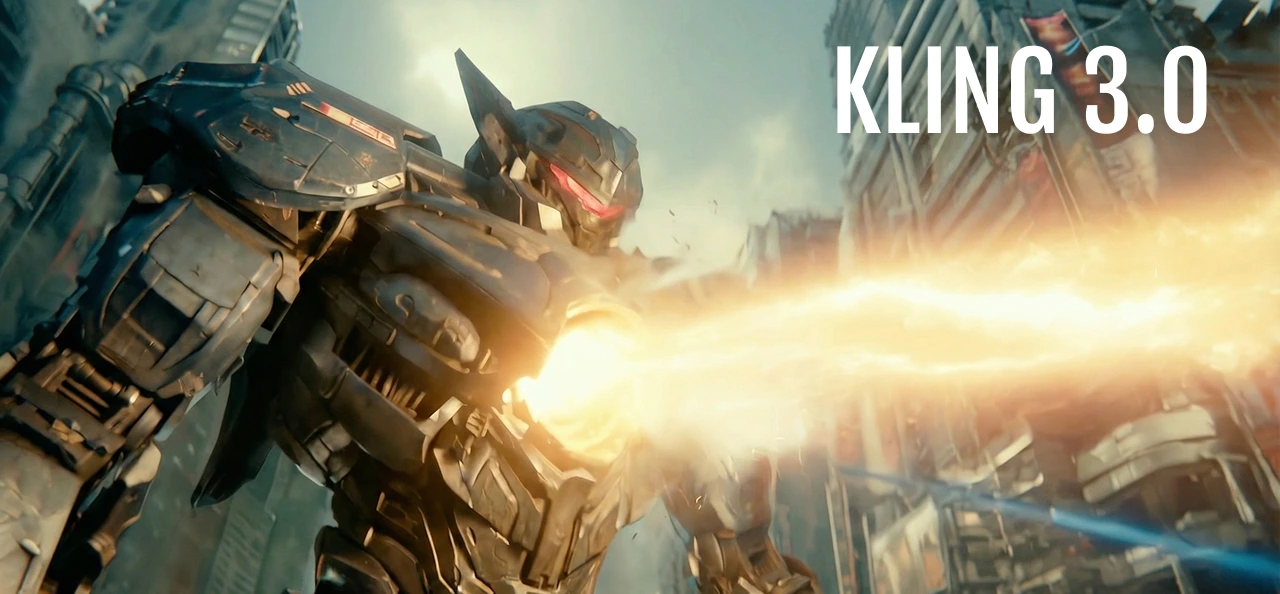
Kling 3.0 has officially taken the throne (at least until the Seedance 2.0 worldwide release), and the reason it is going viral isn't just hype – it’s the Image-to-Video performance. This model is currently delivering the strongest cinematic motion on the market, capable of generating coherent clips up to 15 seconds long that leave competitors in the dust. The real game-changer, however, is the Multi-Shot Storyboard: you can now act as a mini-editor within the generation flow, locking down specific camera motions for individual shots, inserting dialogue inside quotation marks, and defining precise pauses and reactions before a single frame is rendered. But let’s keep it 100% real: while it wins on motion, the "All-in-One" dream has cracks. The Omni VFX tools are hit-or-miss – attempting to swap eras or add weather (like rain) often results in "fake-looking" overlays or distorted characters. Similarly, the Character Cloning feature feels more like R&D than a production asset; facial likeness frequently drifts, and while the lip-sync is "decent," it lacks the precision needed for a final professional delivery. It is the best tool we have right now, but it’s not a magic wand for everything.
SEEDANCE 2.0: THE "HOLLYWOOD KILLER" IS HERE
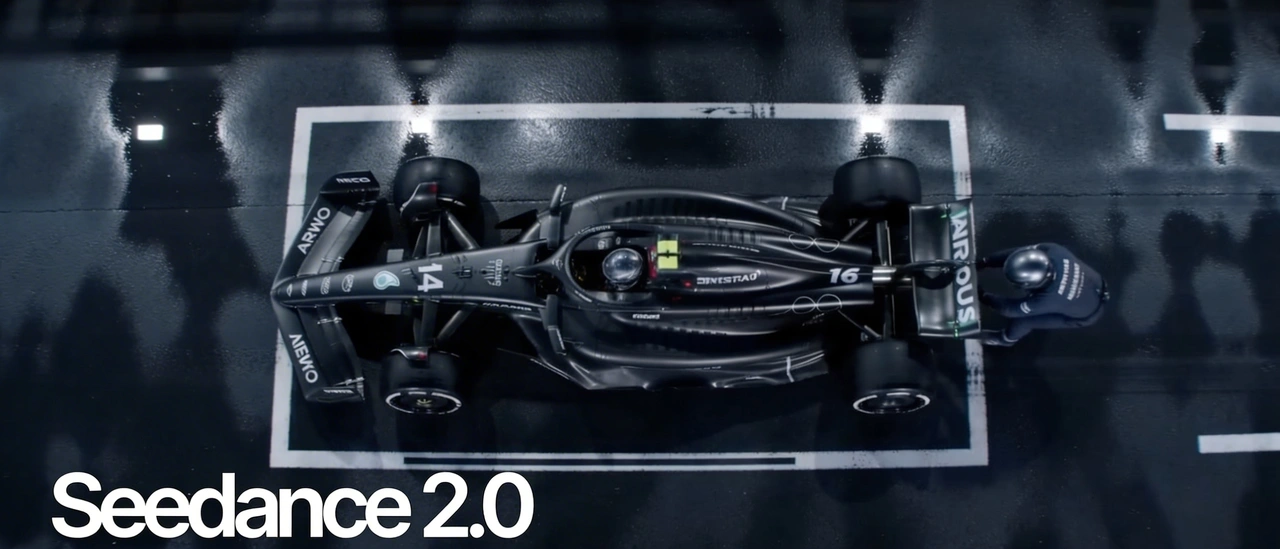
You’ve probably seen the clips floating around Twitter this week – specifically the one of Tom Cruise and Brad Pitt fighting on a rooftop that looked too real. That was Seedance 2.0, and it is currently breaking the internet. While it is technically still China-only (expected globally by the end of the month), the leaked outputs are so advanced that they have triggered a full-blown panic in Hollywood, with screenwriters like Rhett Reese (Deadpool) watching the footage and simply tweeting, "I hate to say it, but we’re done". The quality is frankly out of this world; we are talking about a level of photorealism and physics that makes everything else look like a toy. Disney and SAG-AFTRA are already scrambling to shut it down with cease-and-desist letters over copyright, which is usually the best proof that the tech works too well. The Features changing the game:
- 15-Second Video Duration: Finally, enough time to tell a micro-story in one shot.
- Character & Scene Consistency: It locks faces and environments better than anything we've tested.
- Video Inpainting and Multi-Modal Editing: Fix mistakes without re-rolling the whole clip.
- 2K Video Resolution: Native high-res output that doesn't look upscaled.
- Multiple Reference Input: Combine up to 9 images and 3 videos to steal the exact "vibe."
- Multi-Shot Generations: It acts like an editor, generating distinct cuts in one go.
- 30% Faster Generation: It’s scary fast compared to the competition.
We can’t wait to run some tests and find out if it is a real gamechanger or there is something that nobody is telling us.
HIGGSFIELD CINEMA STUDIO 2.0: THE DIRECTOR'S CHAIR
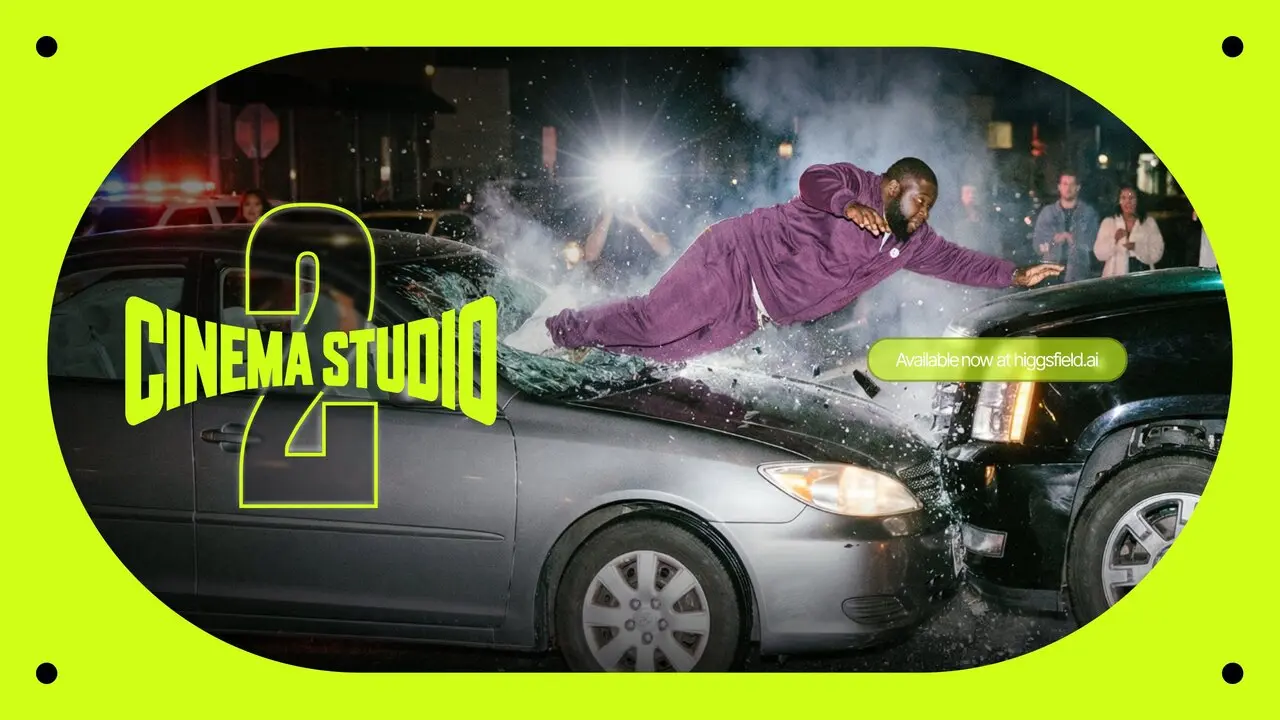
Higgsfield has officially moved past "prompting" and into "directing" with the release of Cinema Studio 2.0. This update is massive because it introduces a proper Director's Panel designed to give you granular control over every frame. The standout feature is the 3D Scene Access, which allows you to literally "enter" a static image as a 3D environment, adjusting the camera's perspective and composition in 3D space before you even generate the video – bridging the gap between 2D concept art and 3D layout. They’ve also added a Grid Exploration mode (2x2, 3x3, 4x4) so you can preview composition variations instantly, and a Speed Ramp tool that gives you manual timing control, letting you slow down or speed up specific parts of a shot for dramatic effect. Add in the new Genre-Based Motion Logic – where you tell the AI "This is a Horror movie" and it automatically adjusts the camera shake and pacing to match – and you have the most robust filmmaking tool on the market.
FREEPIK MYSTIC: THE ONE-CLICK CINEMATIC SHOT
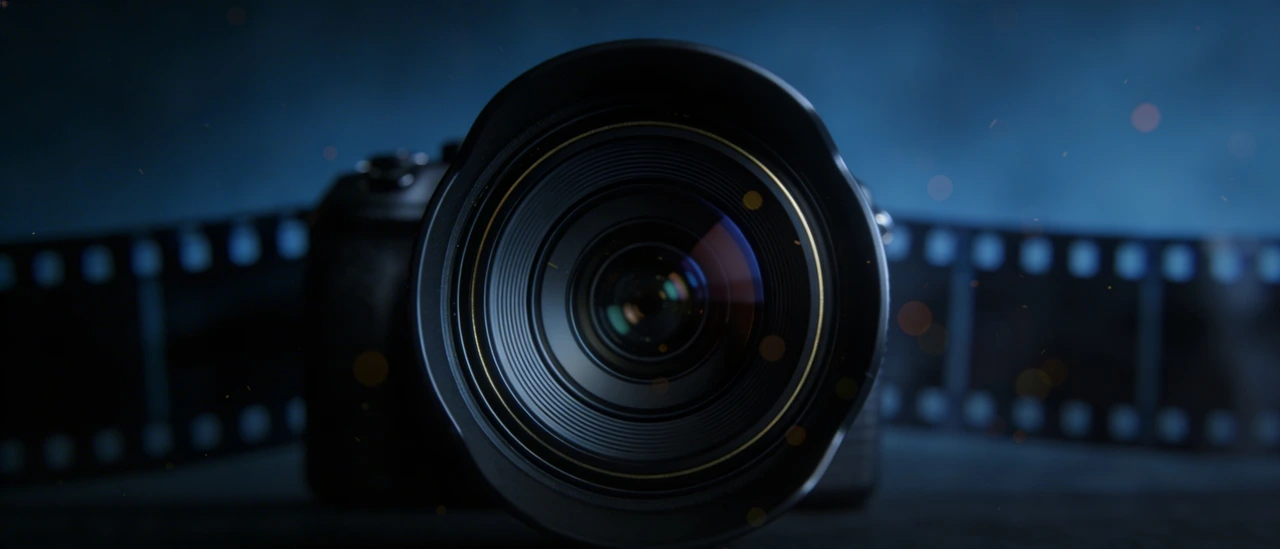
Freepik isn't just for vectors anymore; their Mystic model now features a dedicated Cinematic Shot tool that effectively packages a professional film crew into a single button. Instead of wrestling with complex prompts to describe lighting, you can now simply select your desired Camera, Lens, Aperture, Movie Look, and Film Stock directly from the interface. We’re talking about generating 2K/4K photorealistic images where you can specify "Anamorphic Lens" or "Kodak Portra 400" and the model actually understands the optical characteristics, delivering correct bokeh and grain structure without needing a ComfyUI degree. It’s an all-in-one solution for high-fidelity storyboarding that prioritizes "pixel-perfect" realism over stylized art.
LTX STUDIO: STYLES AS ELEMENTS
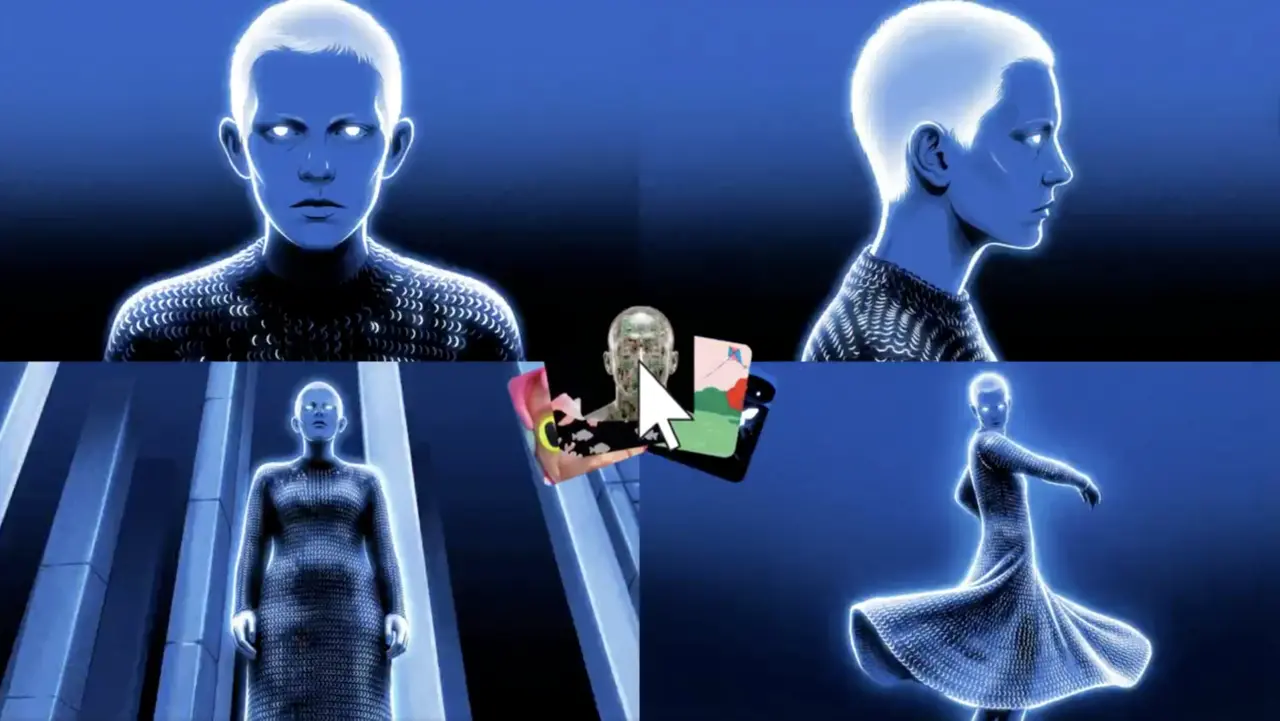
LTX Studio just solved one of the biggest headaches in AI video: consistency. They have introduced Styles as Elements, a feature that works like a "visual style transfer" for your entire project. You can now create a visual style once – defining the color palette, lighting mood, and texture – save it as a reusable "Element," and then apply that exact look to every subsequent generation. This means you can transfer the same visual language between completely different scenes without having to rebuild your prompt from scratch every time, ensuring your entire film feels like it belongs in the same universe.
GROK IMAGINE: THE DARK HORSE RISES
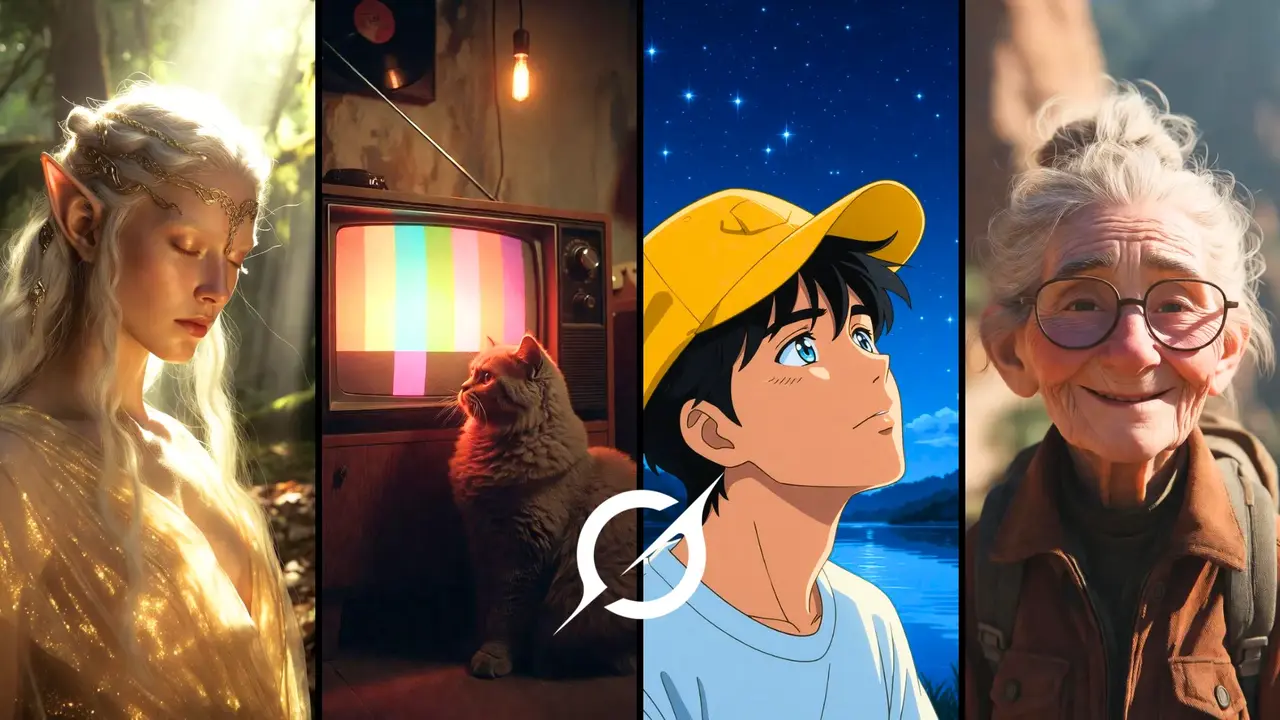
Don't look now, but Grok is growing extremely fast, and with every release, it is becoming a serious competitor to the industry giants. xAI proved they are playing for keeps by recently hosting a $1 Million "Game Day" Contest, creating a massive incentive for pro creators to push the model to its limits. We ran some internal tests and were sincerely surprised by the results – while it still lacks the granular control of a tool like Higgsfield, the stylized content is incredible, often producing bolder, grittier aesthetics that other "safe" models refuse to generate. It’s definitely "getting there," and if you need something with a bit more edge and less corporate polish, Grok is rapidly becoming the tool to watch.
SUNO STUDIO 1.2: THE DAW KILLER?
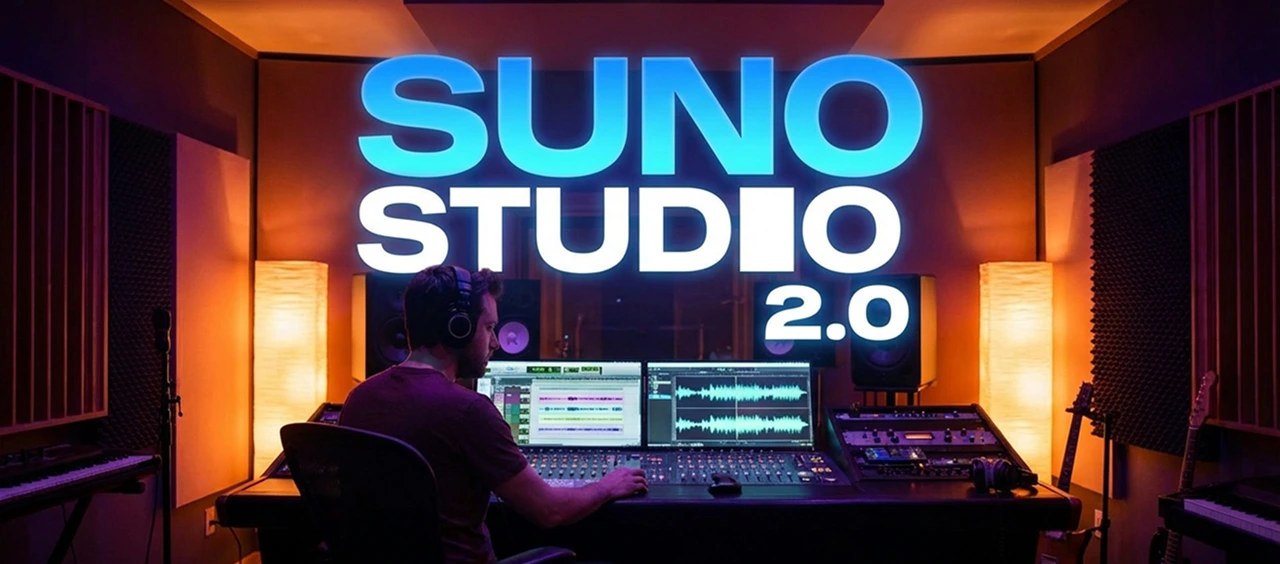
Suno is tired of being dismissed as a "toy" for generating memes, and the Studio 1.2 update is a direct shot at professional music production software (DAWs). By introducing a Remove FX button, users can finally strip away the muddy reverb and delay from generated tracks to get dry, mixable stems, while the new Warp Markers allow for precise quantization to fix the "drifting tempo" that has historically made AI music unusable in a pro setting. Added support for odd time signatures (like 7/8 or 6/8) further proves they are building a tool for serious composers who need granular control over the groove and structure, rather than just a "make me a song" button.
GOOGLE'S "DEAR UPSTAIRS NEIGHBORS": THE ARTIST-FIRST PIPELINE
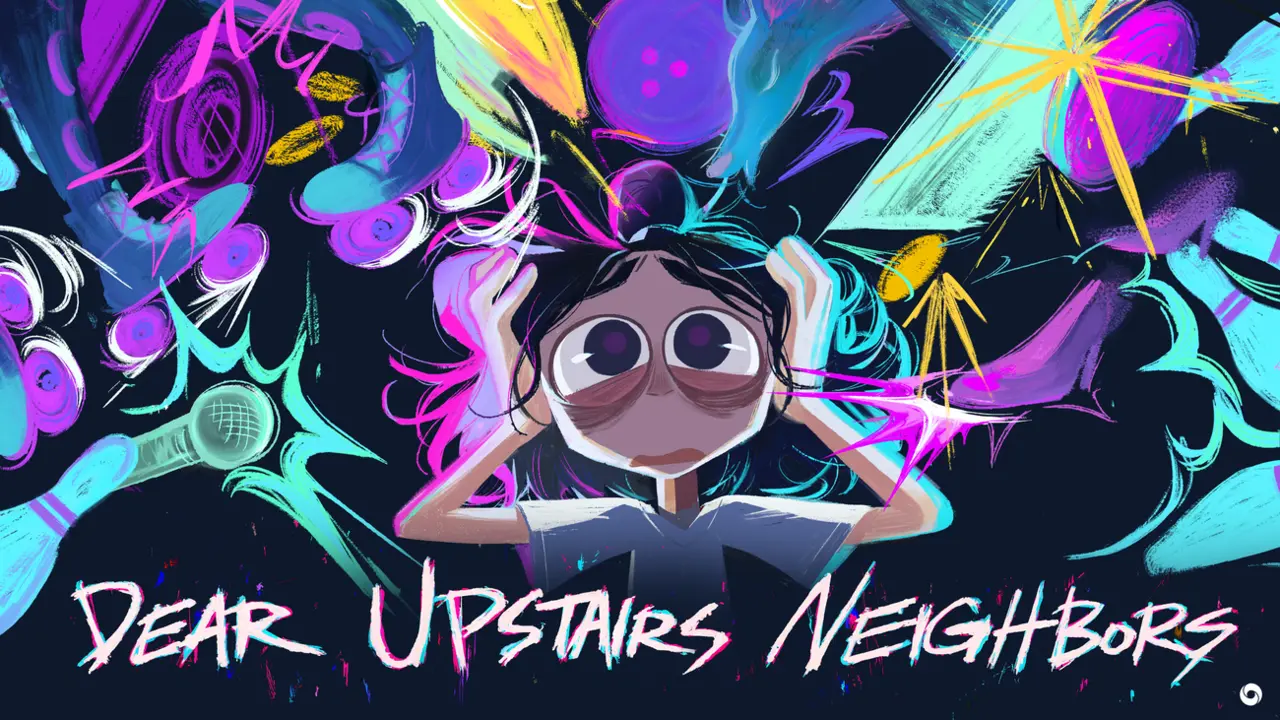
In a refreshing pivot from "text-to-video," Google DeepMind’s short film "Dear Upstairs Neighbors" demonstrates a new Video-to-Video workflow where AI acts as a high-end rendering engine rather than a creative replacement. By fine-tuning Veo and Imagen specifically on the artists' own sketches and style concepts, the team was able to feed rough, hand-animated "blocking" into the model, which then rendered the final painted aesthetic while preserving the exact timing, weight, and performance of the human animator. This workflow signals a massive shift for professional studios, proving that AI can function as the ultimate "In-betweener" and "Compositor" – amplifying an artist's unique style instead of overriding it with generic "AI slop".
Want to go beyond weekly updates?
Our AI Filmmaking Course gives you a complete, practical workflow — from writing and design to directing and post-production. We keep the course updated as the tools evolve, so you always stay ahead.