Beyond the Frame: AI Weekly Digest #1
Dec 07, 2025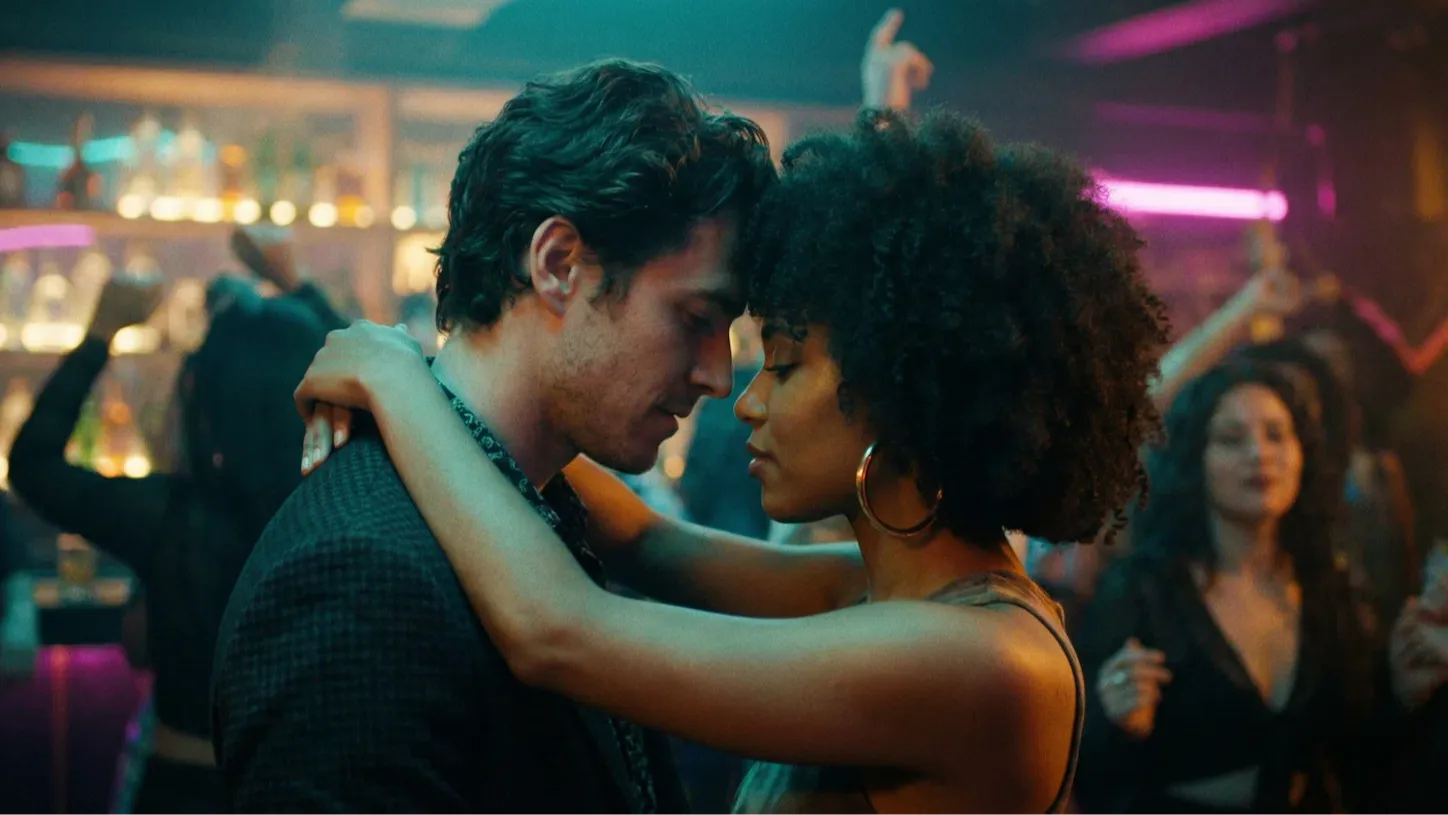
Hi there!
We’re launching a weekly AI digest — short, useful, and straight to the point. Each week, we’ll highlight the most important updates in AI filmmaking: new models, effective techniques, practical tips, and our own discoveries.
If you want to stay ahead without spending hours sorting through the noise, this digest is for you.
Image generation models
Nano Banana Pro (our current go-to model)
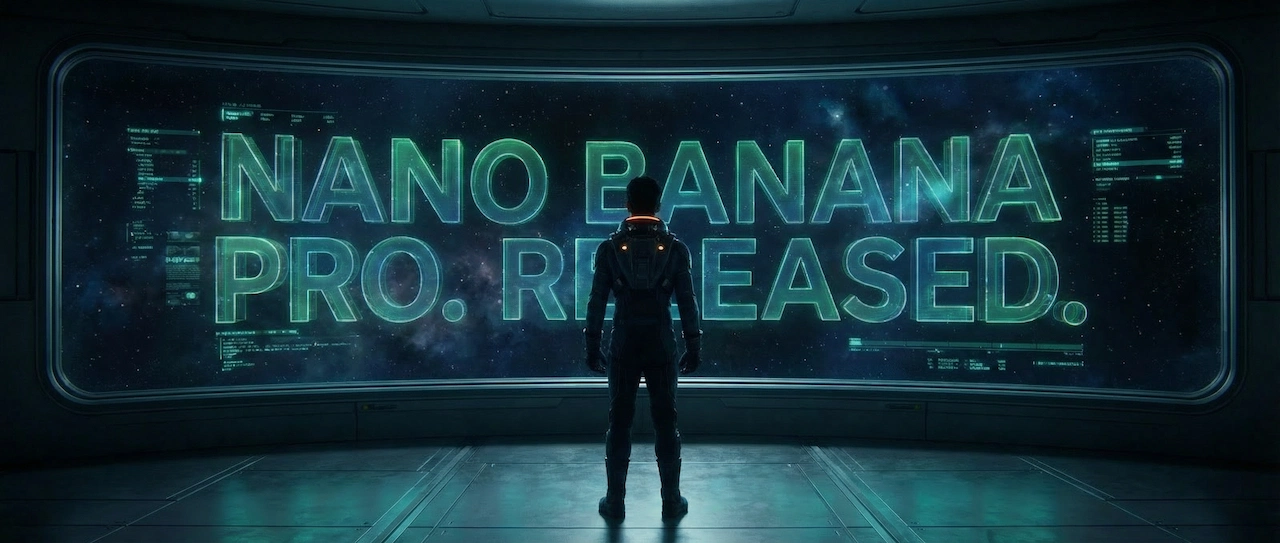
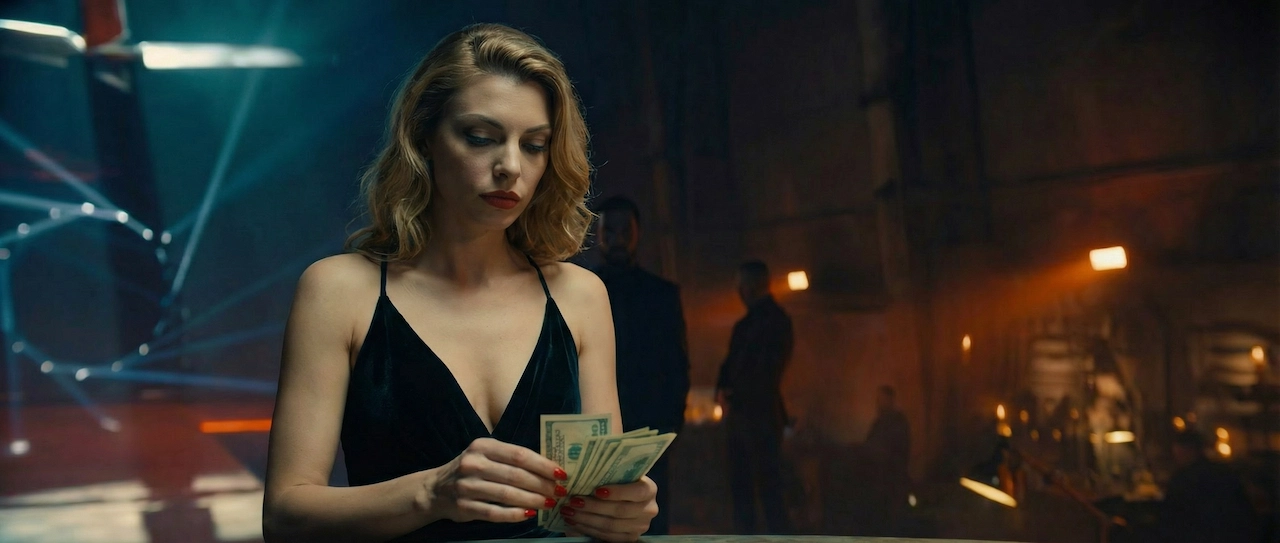
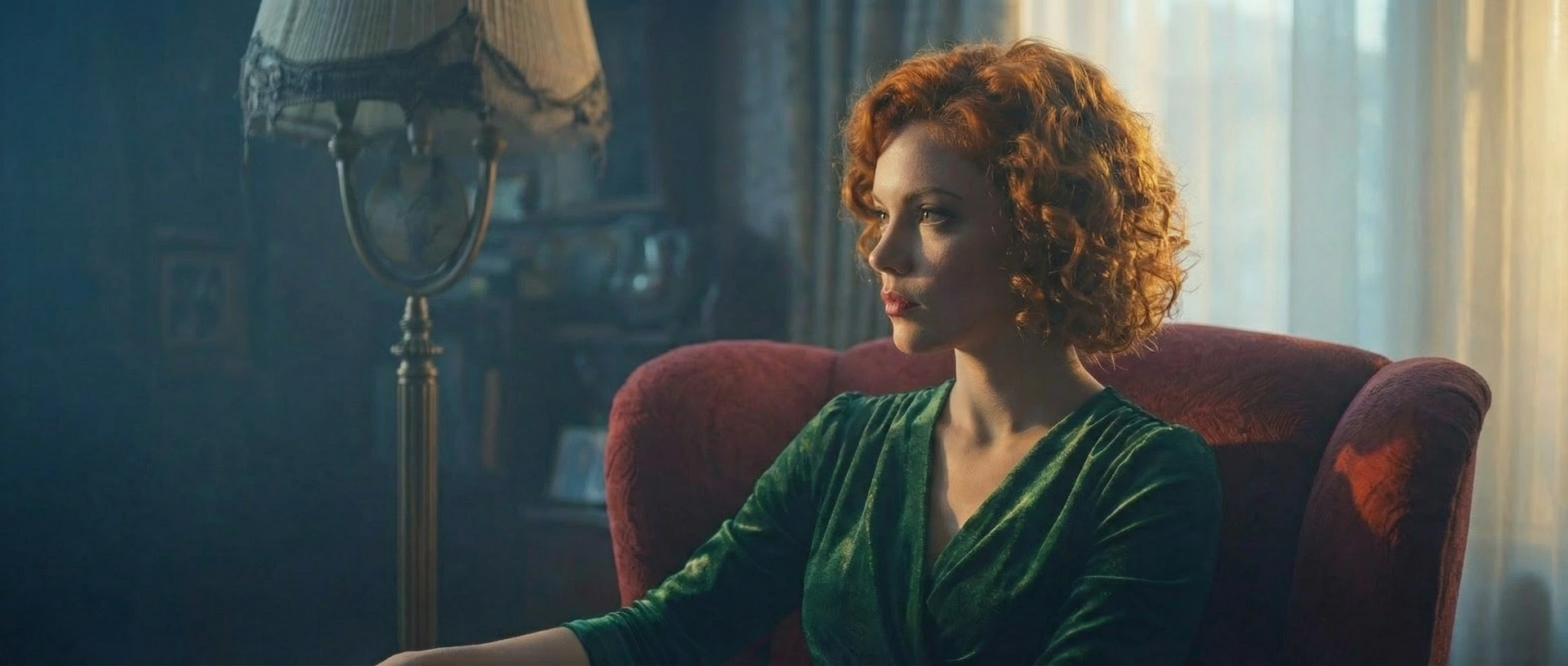
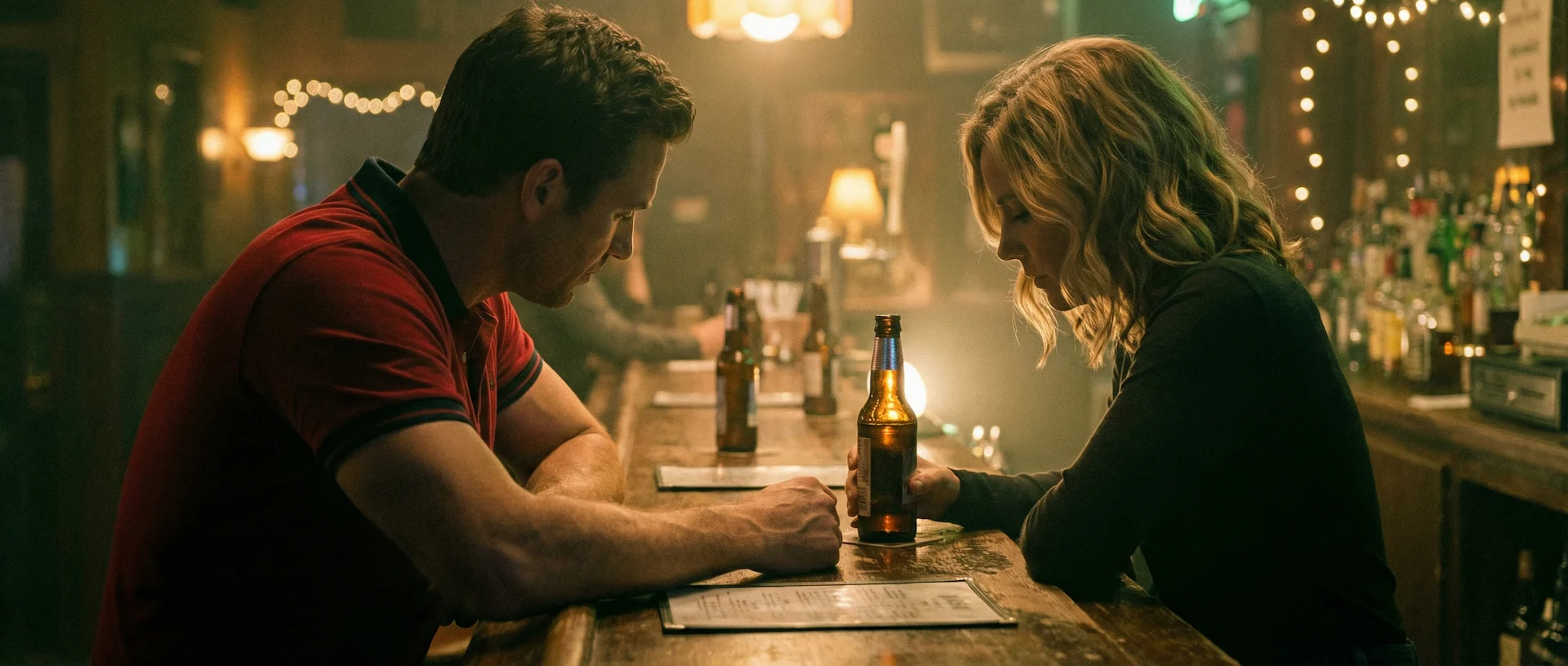
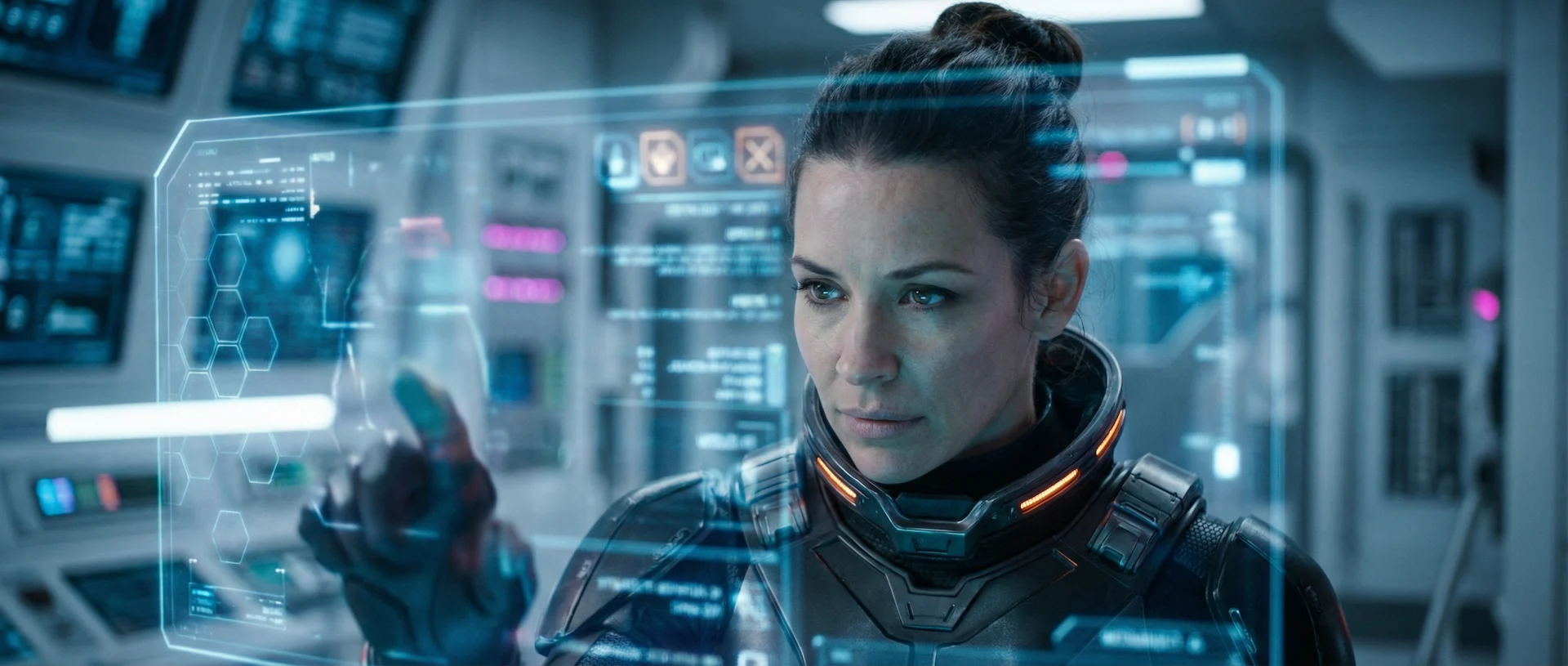
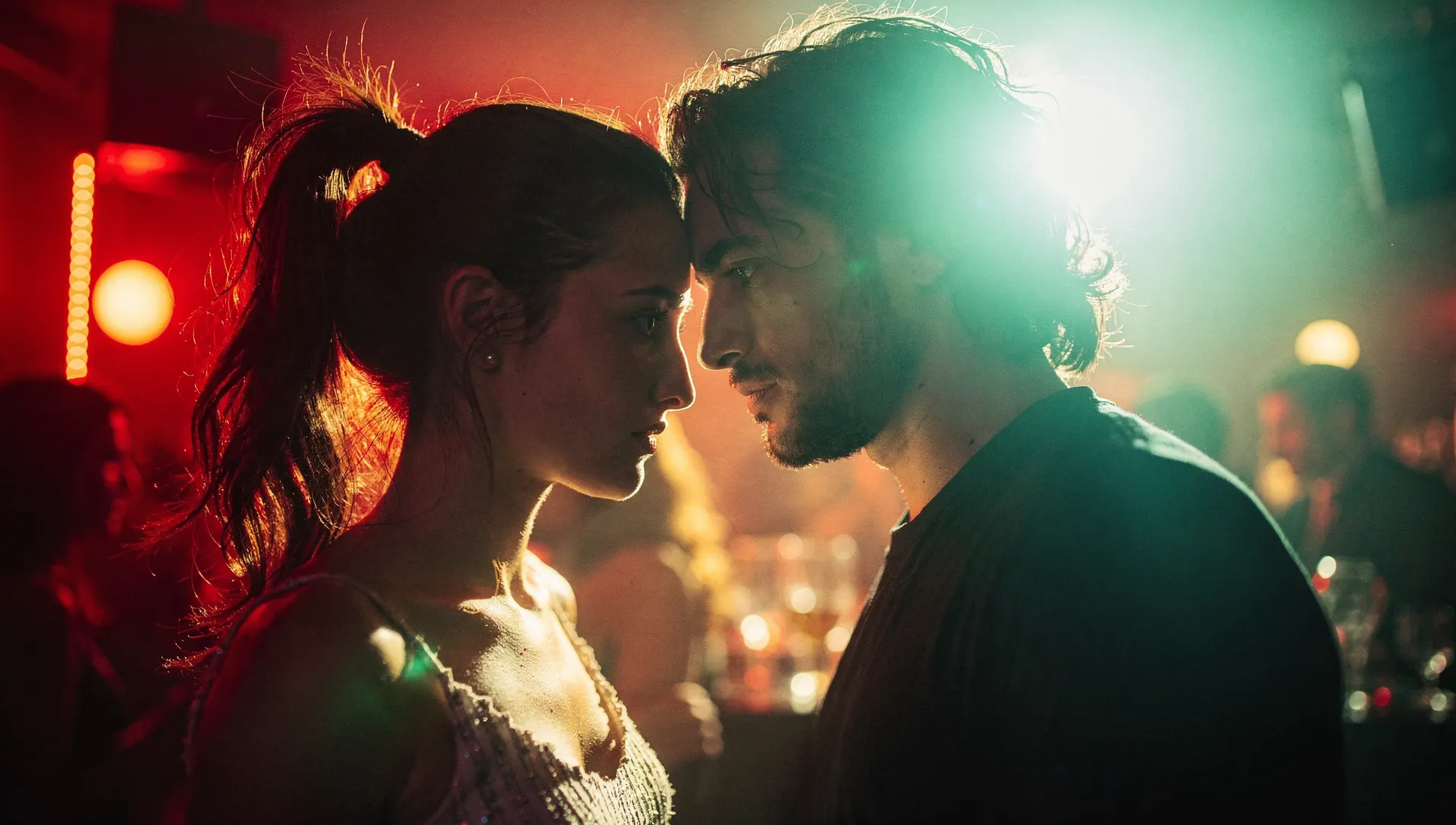
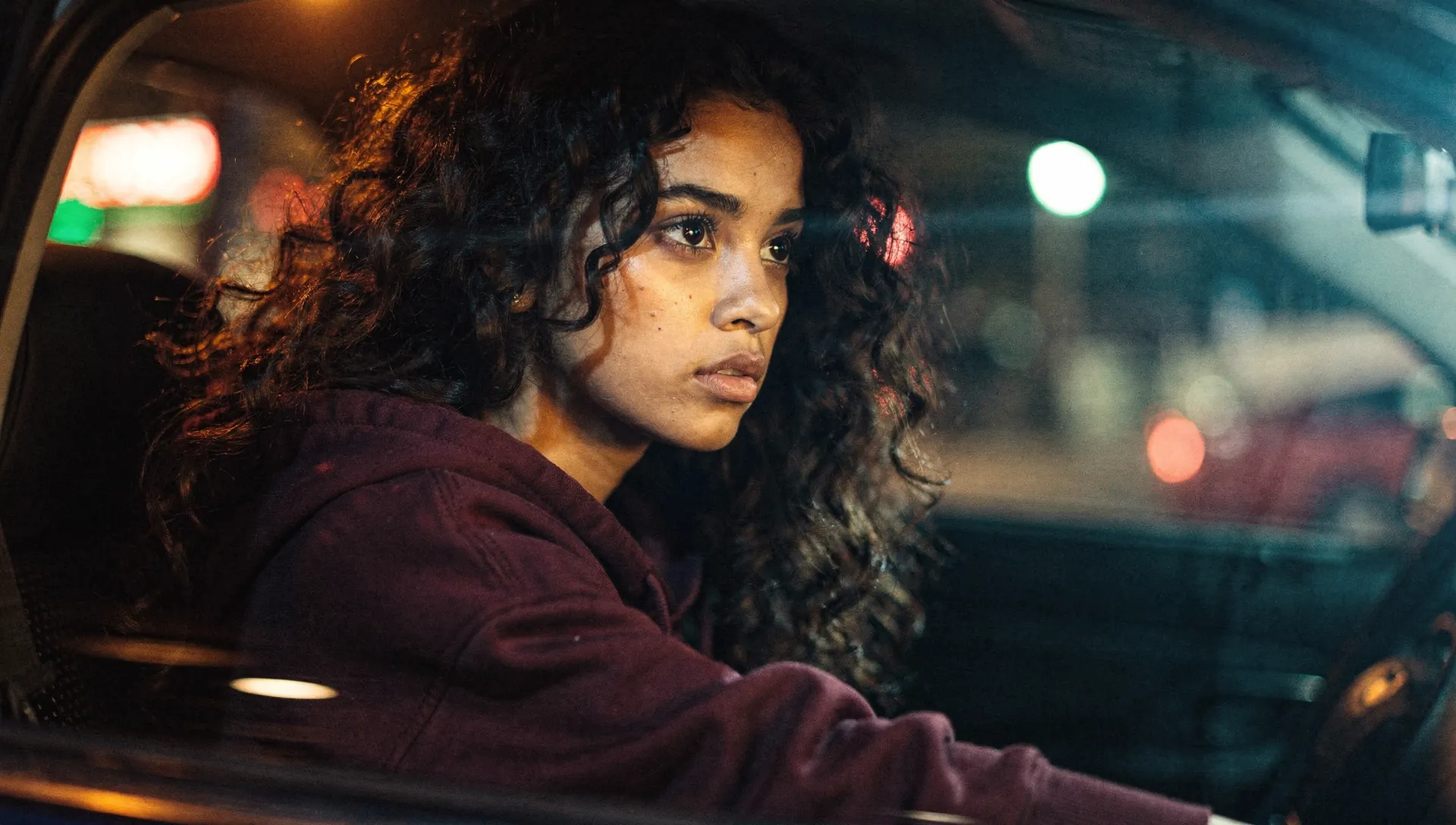
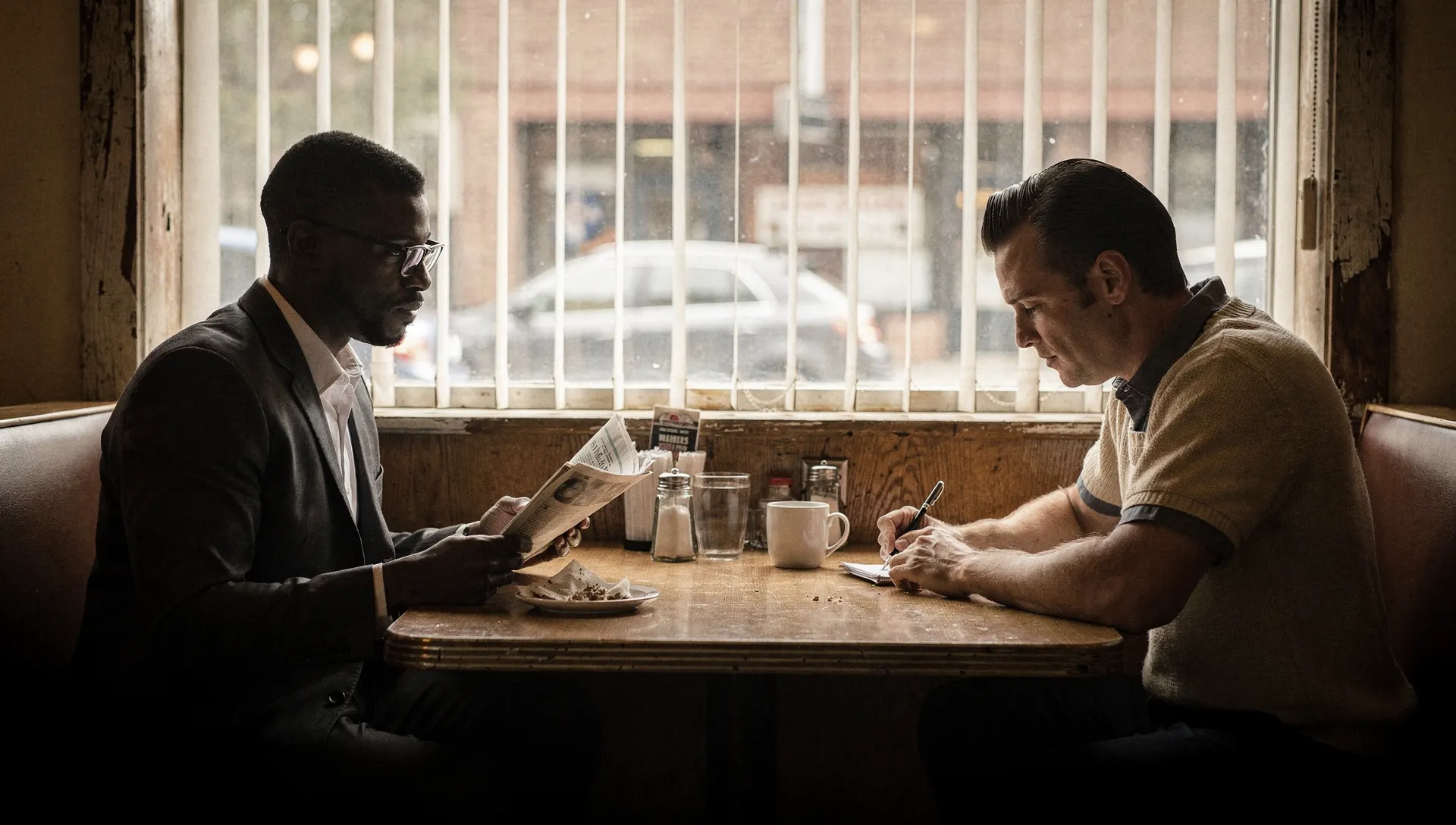
Nano Banana Pro is a true game-changer for AI filmmaking and image creation. It now generates images in up to 4K, allows simple and accurate character replacement with just a prompt, and delivers rock-solid consistency across angles and scenes. Prompt understanding is impressively precise, keeping even small details intact while maintaining style, mood, and atmosphere. On top of that, its cinematic intelligence produces film-like compositions without needing Midjourney or other tools, and text rendering is finally good enough to fix or create clean, readable elements inside images.
Character replacement

Lighting change

Text rendering

Film-like image generation

Seedream 4.5 (solid upgrade, but still behind Nano Banana Pro)

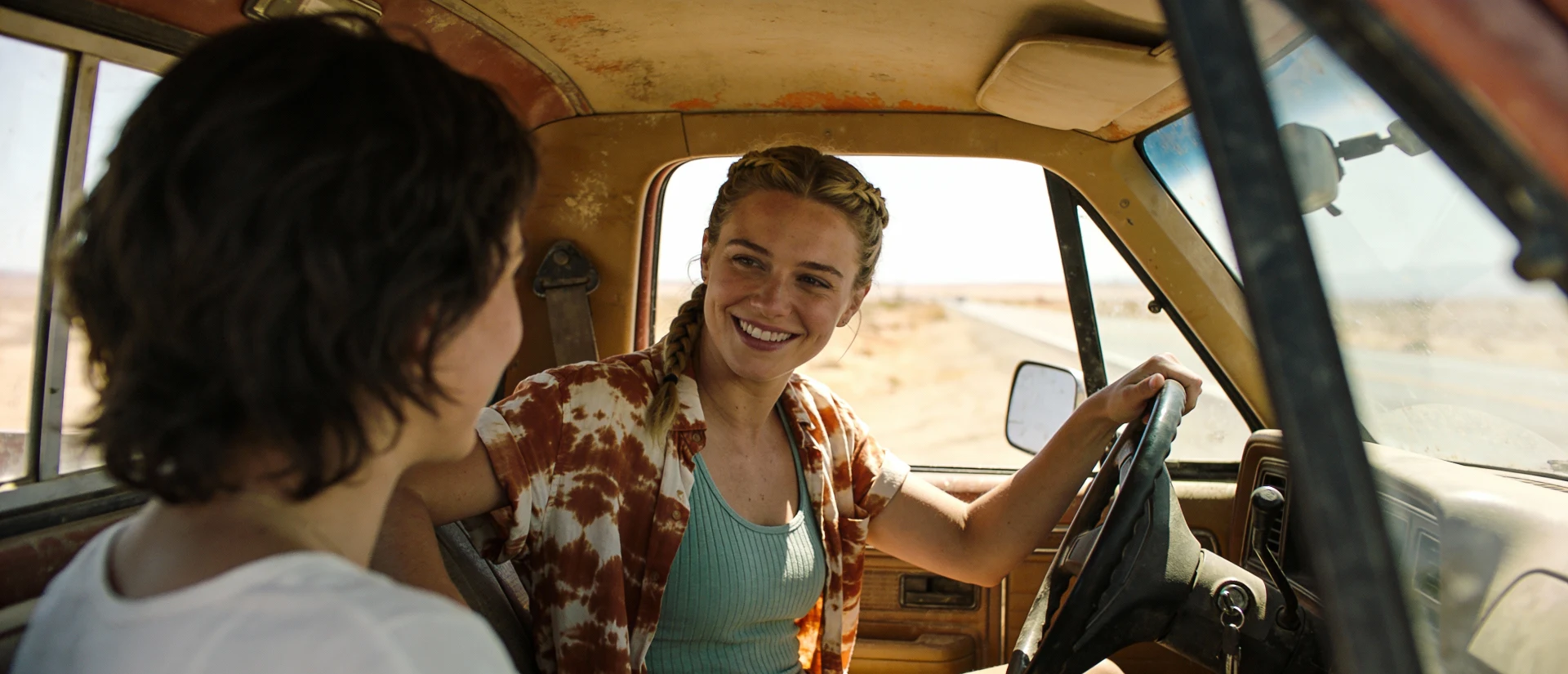
Seedream 4.5 significantly improves realism, lighting, and texture quality, especially in more complex scenes like crowds or wide angles. Subject and identity consistency is far more reliable, which means fewer random “clones” and more controlled variations. It follows detailed prompts much better than before, allowing for precise control over composition, lighting, and design elements. Text rendering is sharper as well, making it very useful for posters, packaging, and UI visuals. Overall it’s a great step forward — just not as versatile or powerful as Nano Banana Pro for AI filmmaking workflows.

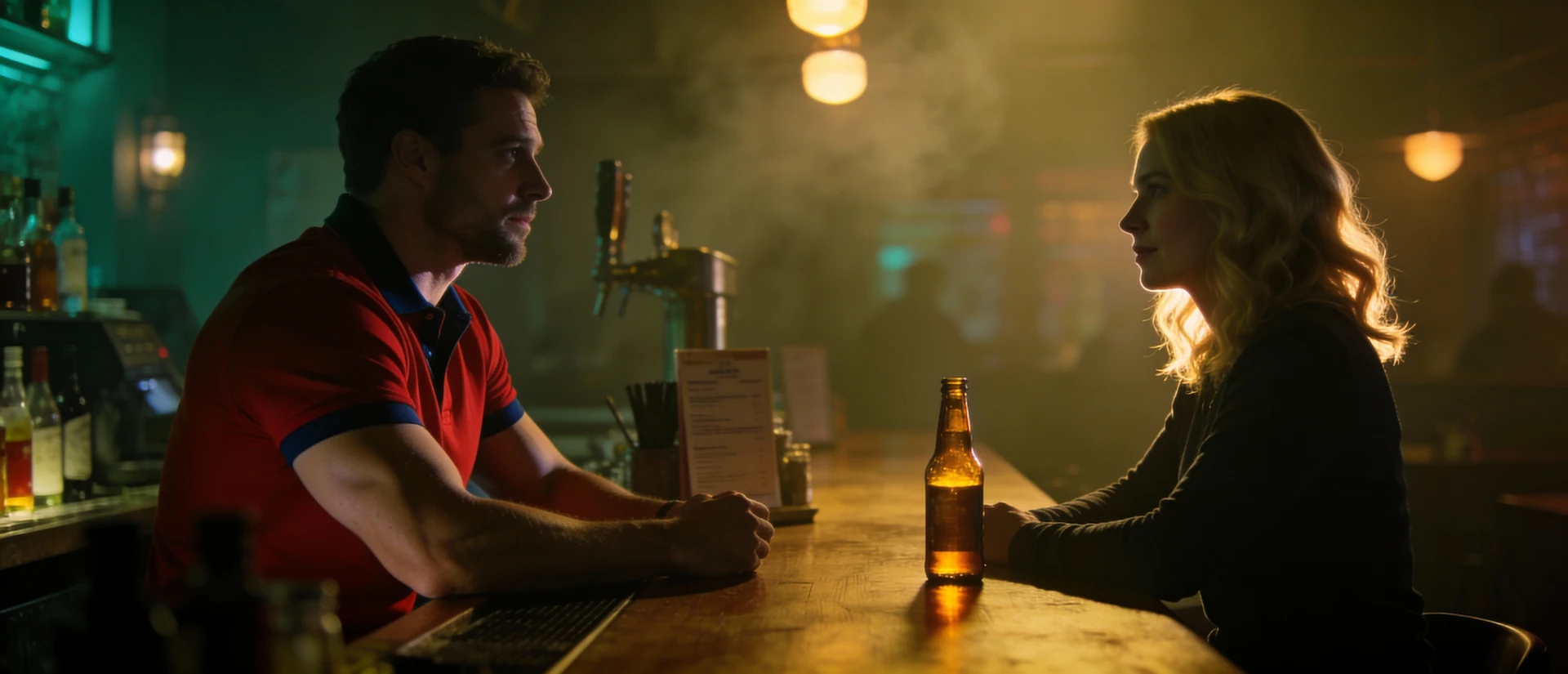
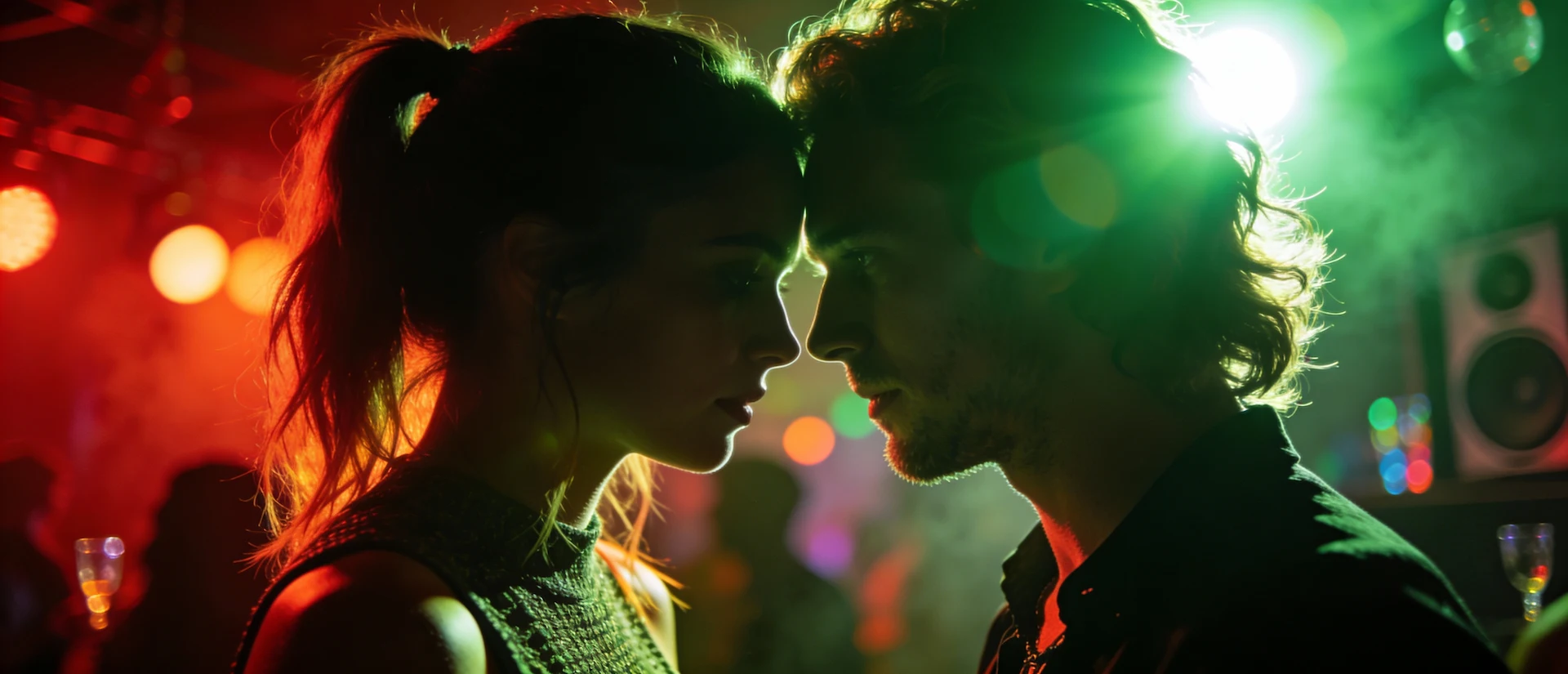
FLUX.2 Pro (big update, but still limited for cinematic work)
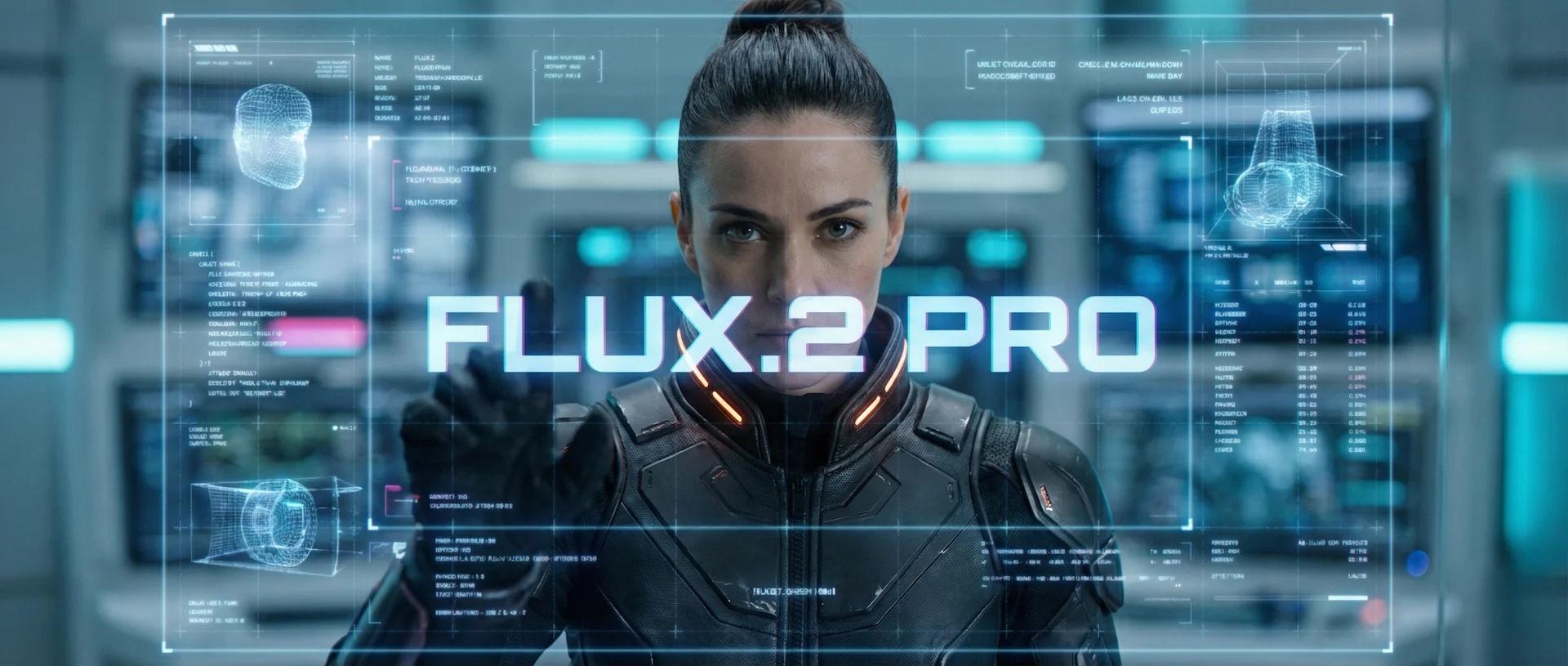
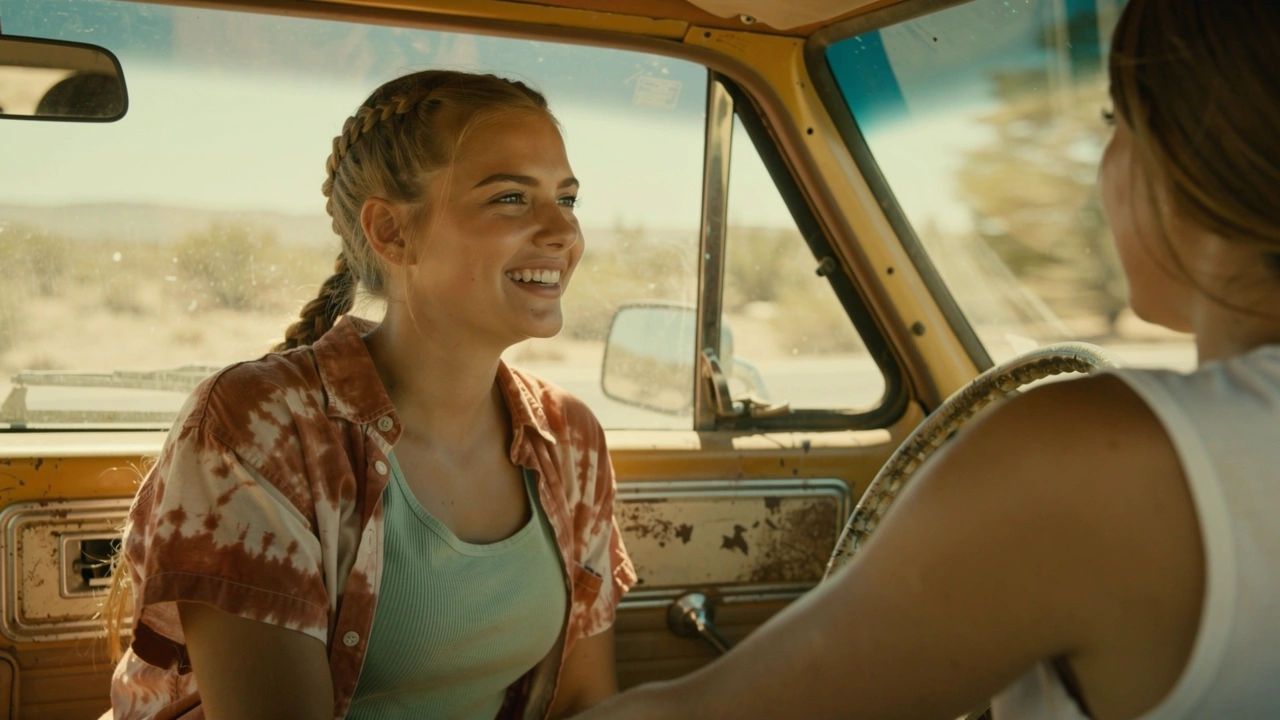
Video generation models
Kling 2.6 (a major step forward — but still behind Veo in practice)
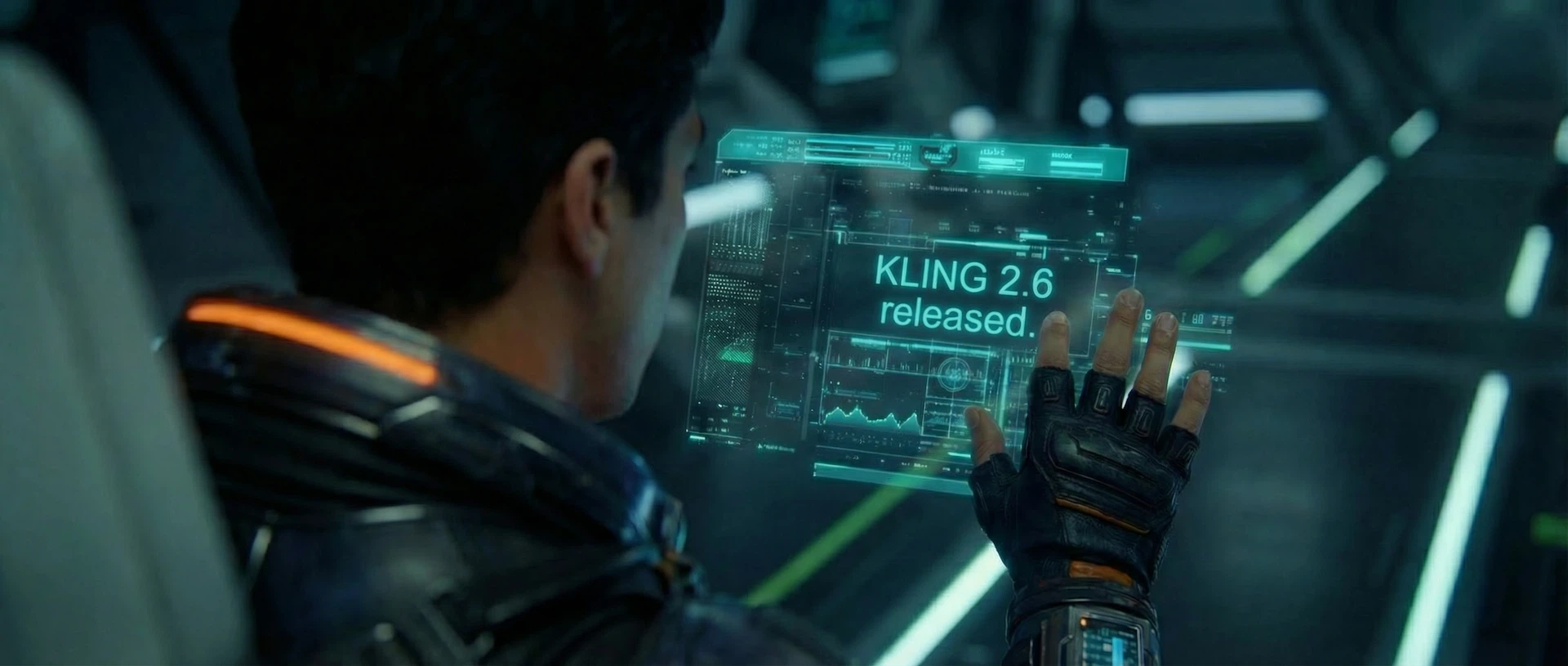
Kling 2.6 introduced native audio generation, producing synchronized dialogue, ambience, and sound effects directly inside the video — removing the need for separate sound design and post-sync. The model now treats prompts more like a narrative, with improved continuity between characters, motion, and camera behavior. Audio and visuals are rhythmically aligned, making scenes feel more natural and immersive, and it supports multi-character dialogue, expressive voices, and even singing.
However, after running our own tests, we still find Veo 3.1 performs better when it comes to prompt adherence, dialogue quality, emotional expression, and overall cinematic control. On top of that, Veo’s unlimited generation on the Ultra subscription makes it the number one choice for serious AI filmmaking workflows right now. Kling also remains more limited, as it doesn’t support first- and last-frame generation and currently only works in English and Chinese.
Kling O1 (ambitious, powerful, but still rough around the edges)

Kling O1 introduces a unified, all-in-one video engine that accepts text, images, or existing video and turns them into editable, stylized clips without switching between tools. It maintains strong consistency for characters, props, and environments by locking in reference elements, even when camera angles, lighting, or movement change. The model supports flexible workflows like text-to-video, image-to-video, video extension, scene restyling, and reference-based edits inside a single system. It also allows creators to define start and end frames and transfer motion from reference footage — combining key features of both Veo and Runway into one impressively powerful setup. That said, it still needs serious polishing, as output consistency and feature reliability can vary, especially for more complex or cinematic scenes.
Final thoughts
Kling made a huge move this week — especially with native audio and the ambitious all-in-one approach of O1. These updates clearly show where the market is heading. Now all eyes are on Google. If the Veo team responds with another significant upgrade, we could be looking at the next true leap in AI-powered filmmaking.
The race just got very real.
You can test all of these updates yourself on platforms like Higgsfield, OpenArt, Invideo, Freepik, or Weavy, many of which offer unlimited image generation, and some — like Higgsfield — are even providing time-limited unlimited Kling 2.6 generations.
Want to go beyond weekly updates?
Our AI Filmmaking Course gives you a complete, practical workflow — from writing and design to directing and post-production. We keep the course updated as the tools evolve, so you always stay ahead.